


HAVANA (AP) — Cubans are hustling to become more self-sufficient as the U.S. government tightens its economic noose over the communist-run island in a move experts say is meant to force a popular uprising and usher in a new government.
A sharp increase in U.S. sanctions was already suffocating Cubans when critical oil shipments from Venezuela were disrupted after the U.S. attacked the South American country and arrested its leader.
The long-term repercussions of those halted shipments have yet to hit Cuba, but its people are not waiting.
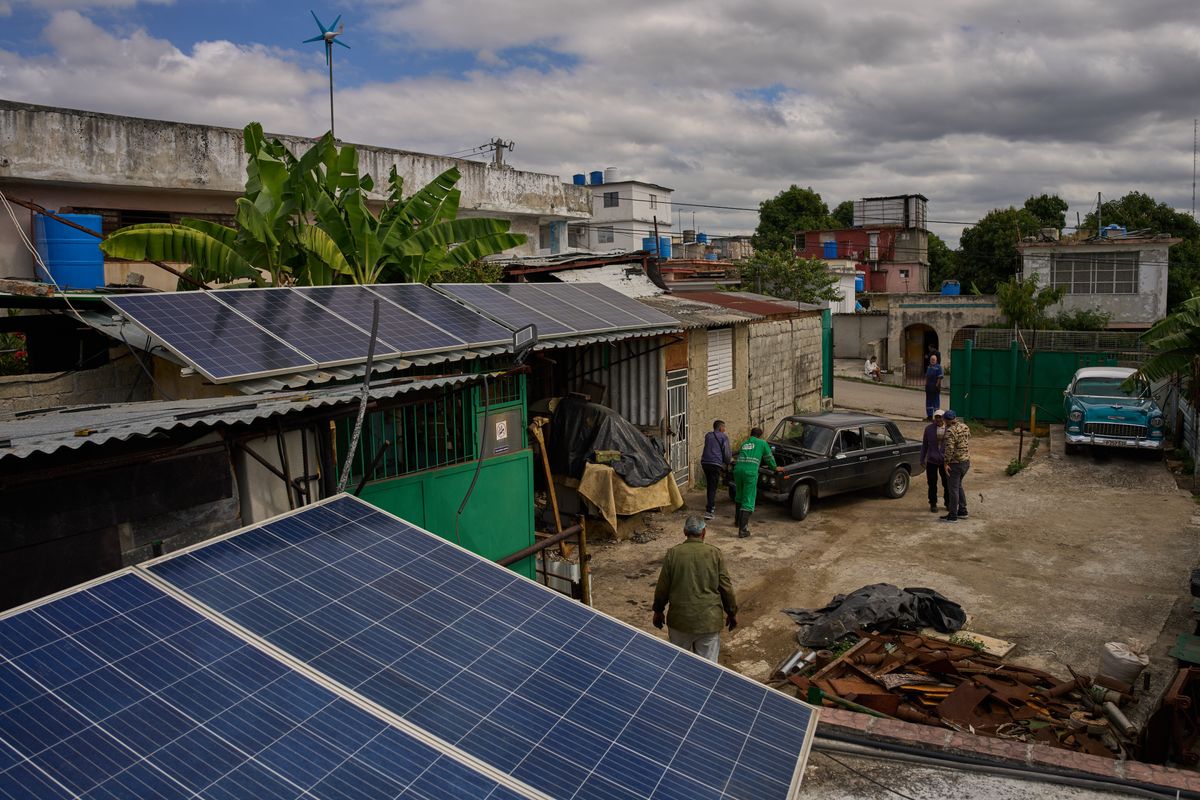
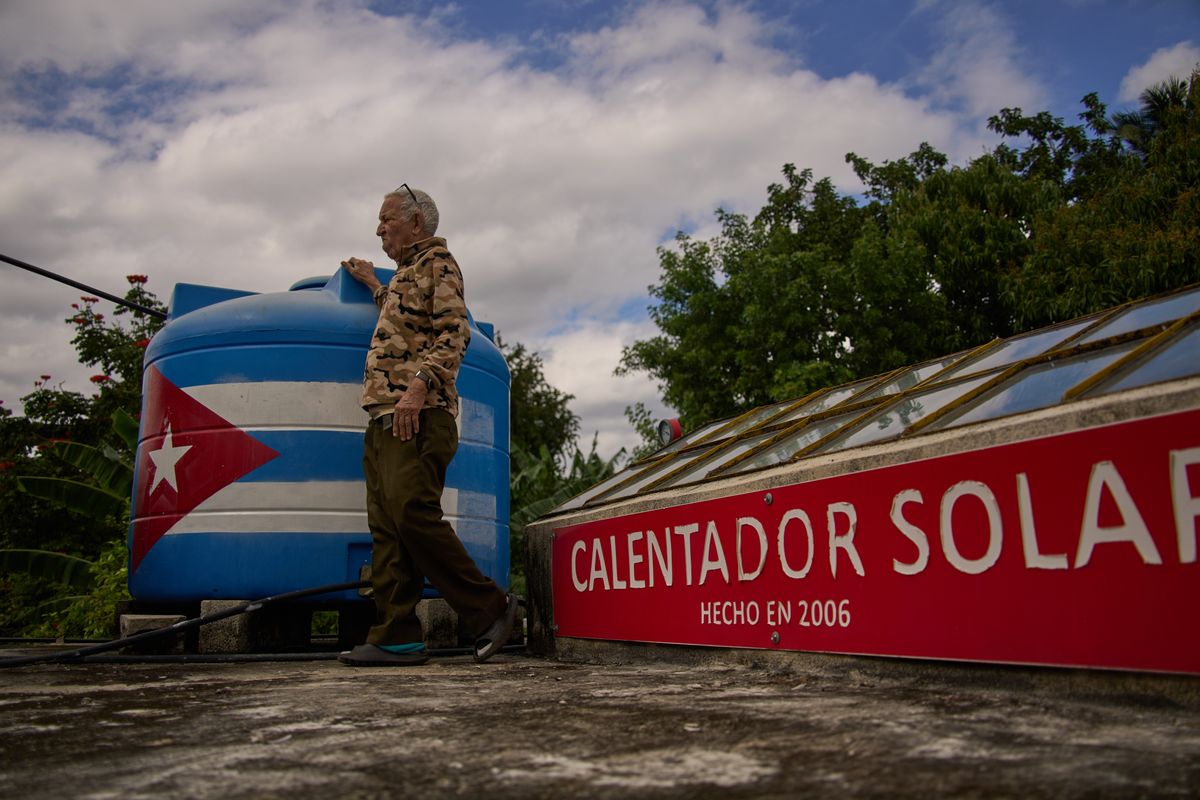
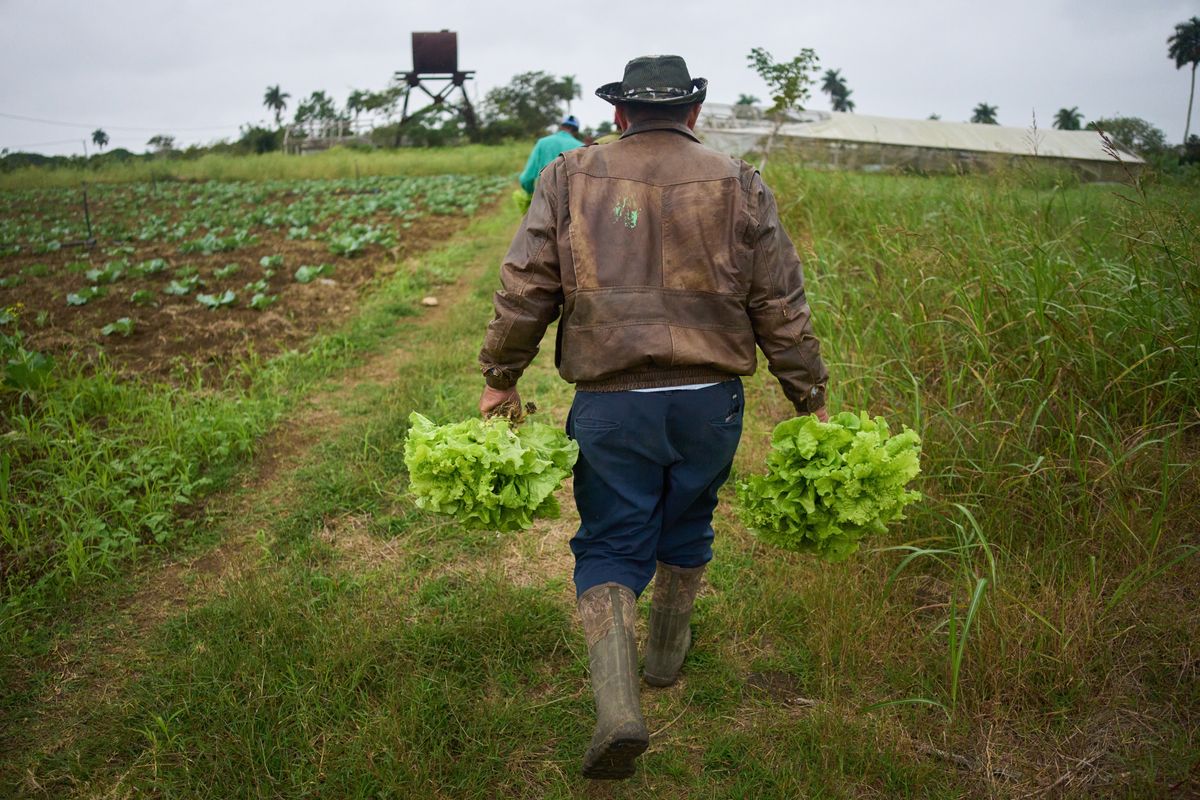
Some are installing solar panels while others are growing their own crops or returning to a simpler way of life, one that doesn’t rely on technology or petroleum.
“It’s how you survive,” said Jose Ángel Méndez Faviel. “It’s best to depend on yourself.”
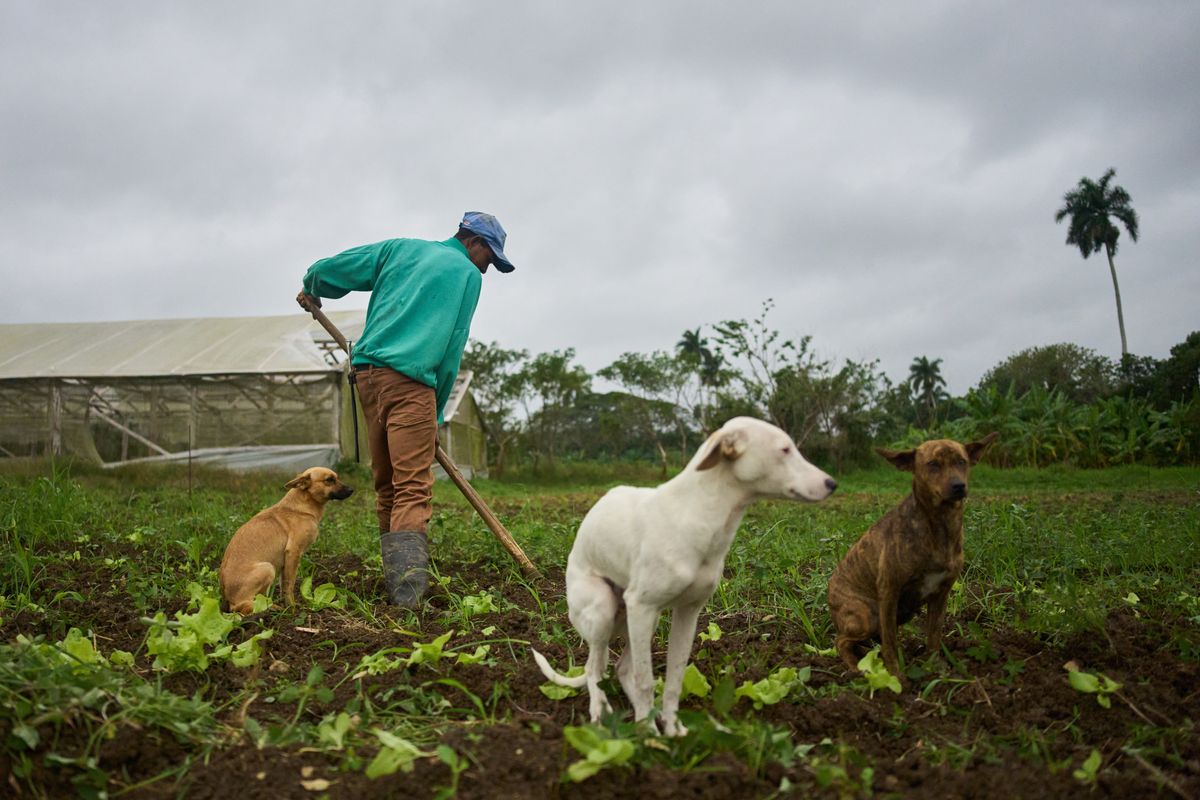
Méndez recently moved from the center of Havana to a farm in the rural community of Bacuranao because of Cuba’s severe blackouts. At the farm, he can cook with firewood and charcoal, something unthinkable in a darkened city apartment.
Méndez said he doesn’t know what to make of U.S. President Donald Trump’s threats against Cuba, but he’s not taking any chances. He’s stocking up on gasoline, charcoal and produce, which he began planting three months ago at his farm.
Méndez also is thinking of buying back his old horse that he sold in favor of motorized equipment to transport vegetables he sells at local markets.
“You don’t need fuel for a horse,” he said. “We need to go back in time.”
‘Very close to failing’
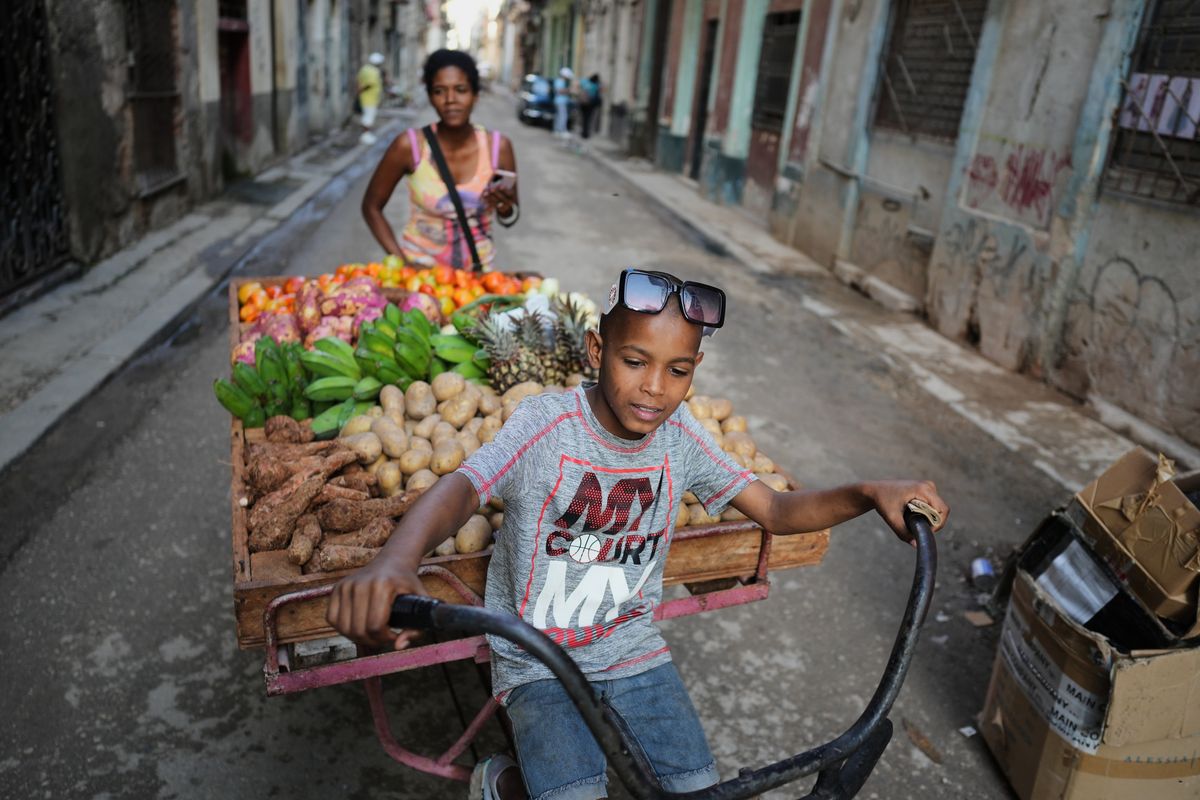
Before the U.S. attacked Venezuela and disrupted oil shipments to Cuba, the island already was struggling with chronic blackouts, soaring prices and a lack of basic goods.
With experts warning of a potentially catastrophic economic crisis, some wonder if Cuba is reaching its breaking point. For Trump, who signed an executive order Thursday that would impose a tariff on any goods from countries that sell or provide oil to Cuba, it’s all but guaranteed.
“Cuba is really a nation that is very close to failing,” he recently said.
But Cubans scoff at that assertion, especially those who remember the so-called “Special Period,” when cuts in Soviet aid sparked the 1990s deprivation that eased when Venezuela became an ally under former President Hugo Chávez.
Yadián Silva, a nurse and driver of a classic car who has seen tourism plummet, said Cubans aren’t dumb.
“We have problems, and we know we have a lot of problems,” he said. “But when things happen in Cuba, it’s because people truly feel they should happen. Not because someone from the outside says, ‘do this.’”
On a recent weeknight, tens of thousands of Cubans clutched flaming torches and joined an annual march to remember national hero José Martí. Many of them were university students.
“We are a dignified people, a people eager to move forward, eager to prosper, who do not believe in threats and are not intimidated by any reprisals from the enemy,” said Sheyla Ibatao Ruíz, a 21-year-old law student. “If we have to take up arms, we will be the first to do so.”
Before the march began, a presenter addressed the massive audience that included Cuban President Miguel Díaz-Canel.
“This is not an act of nostalgia, it is a call to action,” said Litza Elena González Desdín, president of the Federation of University Students in a speech that included references to Trump.
A day later, Christopher Landau, U.S. deputy secretary of state, noted that the U.S. embraces Martí “because he shared that passion that we have for freedom.”
“We hope that by 2026, Cubans will finally be able to exercise their fundamental freedoms,” Landau said Wednesday in a recording played at a small gathering at the U.S. embassy in Havana. “The communist Castro regime is tottering; it won’t last much longer. After 67 years of a failed revolution that has betrayed the Cuban people, it’s time for the change that the people on the island are yearning for.”
‘We’ll ride bicycles’
Last September, Ángel Eduardo launched a small business to install solar panels. He called it “Con Voltage,” a word with double meaning in Cuba that can refer to doing something well.
He said he was fed up with studying in the dark and being forced to write in a notebook instead of a computer to obtain his degree as an automation control engineer.
Eduardo started rigging pieces to light a single bulb for his home and ended up learning how to install solar systems thanks to a combination of a friend, Chat GPT and social media.
He now has installed dozens of systems across Cuba, averaging one to two installations a day since November on an island where daily demand for electricity on average surpasses 3,000 megawatts when only about half that is available during peak hours.
Eduardo said he saw a surge in calls from people in Havana seeking solar systems ever since the disruption in oil shipments from Venezuela.
Growing a business is something that 62-year-old Niuvis Bueno Zavala has been pondering. A retired Russian interpreter for the Cuban government, she now runs a small wooden shack near the sea that sells drinks but not food.
“I’ve never had it this hard,” she said, adding that she might start selling homemade food. “There’s always a helping hand to assist us. But now those helping hands can’t reach us. We’re blocked from all sides.”
Many Cubans decry the embargo, including retired pilot Pedro Carbonell.
The 73-year-old recently waited more than two hours to buy gasoline. He said Cubans have to keep fighting.
“If we don’t have fuel, then we’ll ride bicycles,” he said, recalling how Cubans walked a lot during the Special Period. “Our wine is bitter. But it’s our wine. Do you understand? And we don’t want anyone from somewhere else coming here and telling us how to drink our wine.”
___
Follow AP’s coverage of Latin America and the Caribbean at https://apnews.com/hub/latin-america
By DÁNICA COTO
Associated Press


